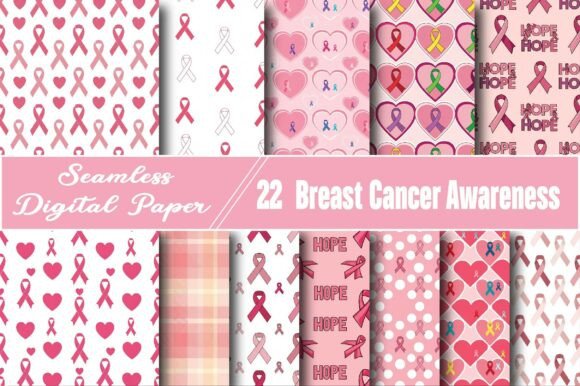
Unlock Creativity with Breast Cancer Awareness Digital Papers
Are you looking for a meaningful way to blend creativity with advocacy? Breast Cancer Awareness Digital Papers offer a versatile and vibrant solution. These high-resolution digital designs are more than just visuals—they're tools for personal expression, community awareness, and creative entrepreneurship. Whether you're a hobbyist, a small business owner, or a graphic designer, these digital papers can elevate your projects while supporting a vital cause.
What Are Breast Cancer Awareness Digital Papers?
Breast Cancer Awareness Digital Papers are downloadable graphic design files that feature thematic patterns, colors, and motifs aligned with October’s global awareness campaign. They’re designed to be used across a wide range of creative and commercial applications—from crafting personalized tote bags and mugs to enhancing website visuals and social media content. Each file is delivered in high-quality JPG format, without watermarks, and is ready for immediate use in sublimation printing, digital design, or print-at-home projects.
Common Missteps and How to Avoid Them
While these digital papers offer a wealth of creative potential, there are a few common mistakes users make that can affect the outcome of their projects. Here’s what to watch for and how to approach them wisely.
1. Underestimating Resolution Requirements
One of the most frequent issues is using digital graphics at a resolution that doesn’t match the intended output. For example, using a 72 DPI image for a printed poster or tumbler wrap can result in blurry or pixelated results. Always check the resolution of the digital paper before downloading and ensure it meets your project’s needs—300 DPI is typically ideal for print work.
Better approach: Download the highest resolution version available and resize carefully using design software that preserves clarity. If unsure, test a small print sample before committing to a larger project.
2. Ignoring Licensing and Usage Rights
Some digital paper packs come with restrictions on commercial use or require attribution. Assuming that all digital downloads are free for resale or large-scale production can lead to legal complications or unexpected costs.
Better approach: Read the licensing terms before purchasing. If you're planning to use the designs for selling products, ensure the license explicitly allows for commercial use without attribution or additional fees.
3. Overlooking File Compatibility
Although most digital papers are provided as JPG files, some design workflows may require other formats like PNG for transparency or vector files for scalable logos. Assuming JPG will work for every project can limit your creative flexibility.
Better approach: Confirm what file types are included in the pack. If transparency or vector editing is needed, check if the seller offers alternate formats or consider converting files using professional design tools.
4. Misjudging Color Accuracy for Print
Colors can appear differently on screen than they do when printed, especially if the monitor isn’t calibrated or the file uses RGB instead of CMYK color profiles. This discrepancy can affect the final look of your printed items like greeting cards or t-shirts.
Better approach: Use design software that allows color profile conversion and always print a test sheet on the same material you’ll use for your final product. This helps ensure that the pink hues and other design elements appear as intended.
5. Failing to Organize Files Properly
With a pack that may contain dozens of unique designs, poor file management can lead to wasted time and confusion. Without a clear naming convention or folder structure, it's easy to lose track of which design was best suited for which project.
Better approach: Create a dedicated folder for your digital papers. Use descriptive file names and consider creating a visual index or mood board to quickly reference the designs you own.
How to Choose the Right Digital Paper Pack
When browsing options, it’s important to evaluate more than just the visual appeal. Consider the following factors to ensure you’re making a smart, lasting investment:
- Versatility: Does the pack include a mix of patterns, solids, and accents that can be used across different mediums?
- Scalability: Can the graphics be resized without losing quality for both small (stickers) and large (posters) applications?
- Thematic Consistency: Do the designs maintain a cohesive theme that aligns with your message or brand?
- Customer Support: Is the seller responsive if you have questions about usage or file formats?
Real-World Applications and Creative Ideas
These digital papers are incredibly flexible. Here are a few practical and inspiring ways to incorporate them into your work:
- Custom Packaging: Use them to design branded tissue paper, soap labels, or candle wraps that support Breast Cancer Awareness Month.
- Social Media Content: Enhance your brand’s message with themed backgrounds, quote graphics, or awareness campaign posts.
- DIY Crafts: Create personalized junk journals, mini albums, or party decorations that blend creativity with advocacy.
- Print-on-Demand Products: Apply them to mugs, phone cases, or tote bags for meaningful merchandise that resonates with customers.
Final Thoughts
Breast Cancer Awareness Digital Papers are more than just a design tool—they're a way to visually communicate support, creativity, and care. By understanding how to use them effectively and avoiding common pitfalls, you can ensure your projects look professional, feel personal, and make an impact. Whether you're crafting for yourself or creating for a cause, these digital designs offer a powerful way to bring your vision to life.